The Importance of Sleep Hygiene
Welcome to Zenith Vitality's guide to sleep hygiene. Sleep is a fundamental pillar of overall health, impacting everything from mood and cognitive function to immune response and physical recovery. Neglecting sleep hygiene can lead to a cascade of negative health consequences. At Zenith Vitality, we believe that prioritizing sleep is essential for achieving optimal well-being.

Understanding Sleep Cycles
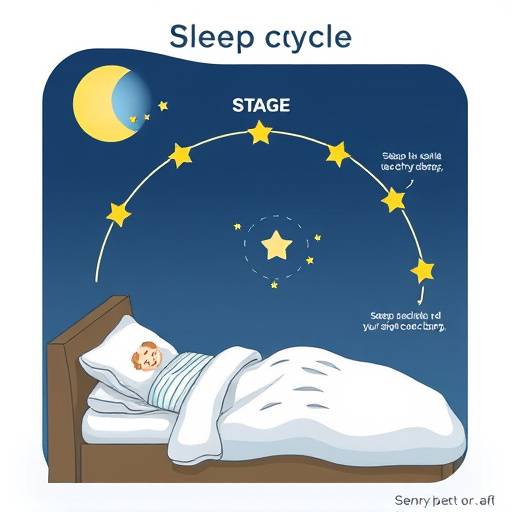
Sleep doesn't happen in one continuous phase. Instead, it progresses through distinct cycles, each playing a crucial role in restorative processes. These cycles consist of different stages of sleep, including:
- Stage 1: A transitional phase between wakefulness and sleep, characterized by light sleep and muscle relaxation.
- Stage 2: A deeper sleep stage where body temperature drops and heart rate slows. The brain produces sleep spindles, which are thought to be involved in memory consolidation.
- Stage 3 & 4 (Deep Sleep): The most restorative stages of sleep. It is difficult to wake someone from deep sleep. During this stage, the body repairs tissues, builds bone and muscle, and strengthens the immune system.
- REM (Rapid Eye Movement) Sleep: This stage is characterized by rapid eye movements, increased brain activity, and muscle paralysis. REM sleep is essential for cognitive functions, such as memory consolidation, learning, and emotional processing.
A complete sleep cycle typically lasts about 90 to 120 minutes. Throughout the night, you cycle through these stages multiple times. Disruptions to these cycles can prevent you from getting the restorative benefits of sleep.
Common Sleep Disorders
Sleep disorders can significantly impact the quality and duration of sleep. Some of the most common sleep disorders include:
- Insomnia: Difficulty falling asleep, staying asleep, or both. Insomnia can be acute (short-term) or chronic (long-term).
- Sleep Apnea: A condition characterized by pauses in breathing during sleep. This can lead to fragmented sleep and reduced oxygen levels in the blood.
- Restless Legs Syndrome (RLS): A neurological disorder that causes an irresistible urge to move the legs, often accompanied by uncomfortable sensations.
- Narcolepsy: A neurological disorder that affects the brain's ability to regulate sleep-wake cycles, leading to excessive daytime sleepiness and sudden sleep attacks.
- Parasomnias: A category of sleep disorders that involve abnormal movements, behaviors, emotions, perceptions, or dreams that occur while falling asleep, during sleep, or while waking up. Examples include sleepwalking, sleep talking, and night terrors.
If you suspect you have a sleep disorder, it's essential to consult with a healthcare professional for proper diagnosis and treatment.
Tips for Better Sleep Hygiene
Improving your sleep hygiene involves creating a conducive sleep environment and adopting healthy sleep habits. Here are some effective strategies:
- Maintain a Consistent Sleep Schedule: Go to bed and wake up at the same time every day, even on weekends, to regulate your body's natural sleep-wake cycle.
- Create a Relaxing Bedtime Routine: Engage in calming activities before bed, such as reading, taking a warm bath, listening to soothing music, or practicing relaxation techniques like deep breathing or meditation.
- Optimize Your Sleep Environment: Make sure your bedroom is dark, quiet, and cool. Use blackout curtains, earplugs, or a white noise machine to minimize distractions.
- Limit Screen Time Before Bed: The blue light emitted from electronic devices can interfere with melatonin production, making it harder to fall asleep. Avoid using smartphones, tablets, and computers for at least an hour before bed.
- Avoid Caffeine and Alcohol Before Bed: Caffeine is a stimulant that can keep you awake, while alcohol can disrupt sleep cycles and lead to fragmented sleep.
- Get Regular Exercise: Regular physical activity can improve sleep quality, but avoid intense workouts close to bedtime. Aim for at least 30 minutes of moderate-intensity exercise most days of the week.
- Manage Stress: Chronic stress can interfere with sleep. Practice stress-reducing techniques like yoga, tai chi, or mindfulness meditation.
- Consider a Sleep Supplement: Consult with a healthcare professional about supplements like melatonin or magnesium, which may help improve sleep quality. Dr. Anya Sharma at Zenith Vitality often recommends magnesium glycinate for clients struggling with insomnia.
"Sleep is the golden chain that ties health and our bodies together." - Thomas Dekker

By incorporating these sleep hygiene tips into your daily routine, you can significantly improve your sleep quality and overall well-being. Remember to be patient and consistent, as it may take time to establish healthy sleep habits.
For personalized sleep advice and support, contact Zenith Vitality at contact us to schedule a consultation. Our team of health professionals, led by Elias Vance, can help you create a tailored sleep plan to address your individual needs. We are located at 45 Willow Creek Drive, Suite 200, Portland, OR 97204. You can also reach us by phone at (503) 555-0123 or email us at [email protected].